

INTRODUCTION
National Nutrition Week (NNW) is observed annually from 9 to 15 October to raise awareness about the importance of healthy eating. The Department of Health, together with a wide range of stakeholders, recognises that proper nutrition and a balanced diet particularly for children are essential for optimal physical and mental health, as well as overall development. Good nutrition in adulthood is equally important for preventing disease, sustaining productivity, and promoting overall well-being.
The Joint Malnutrition Estimates (JME) released in 2023 revealed insufficient progress to reach the 2025 World Health Assembly (WHA) global nutrition targets and the 2030 Sustainable Development Goal (SDG) 2 targets. Only about one-third of all countries are ‘on track’ to halve the number of children affected by stunting by 2030.
South Africa continues to face the triple burden of malnutrition which are undernutrition (wasting and stunting), micronutrient deficiencies and overweight and obesity, and which continues to jeopardize children’s ability to survive and thrive. Stunting is the devastating result of poor nutrition in-utero and early childhood while childhood overweight occurs when children’s caloric intake from food and beverages exceeds their energy requirements. Children suffering from stunting may never attain their full possible height and their brains may never develop to their full cognitive potential.
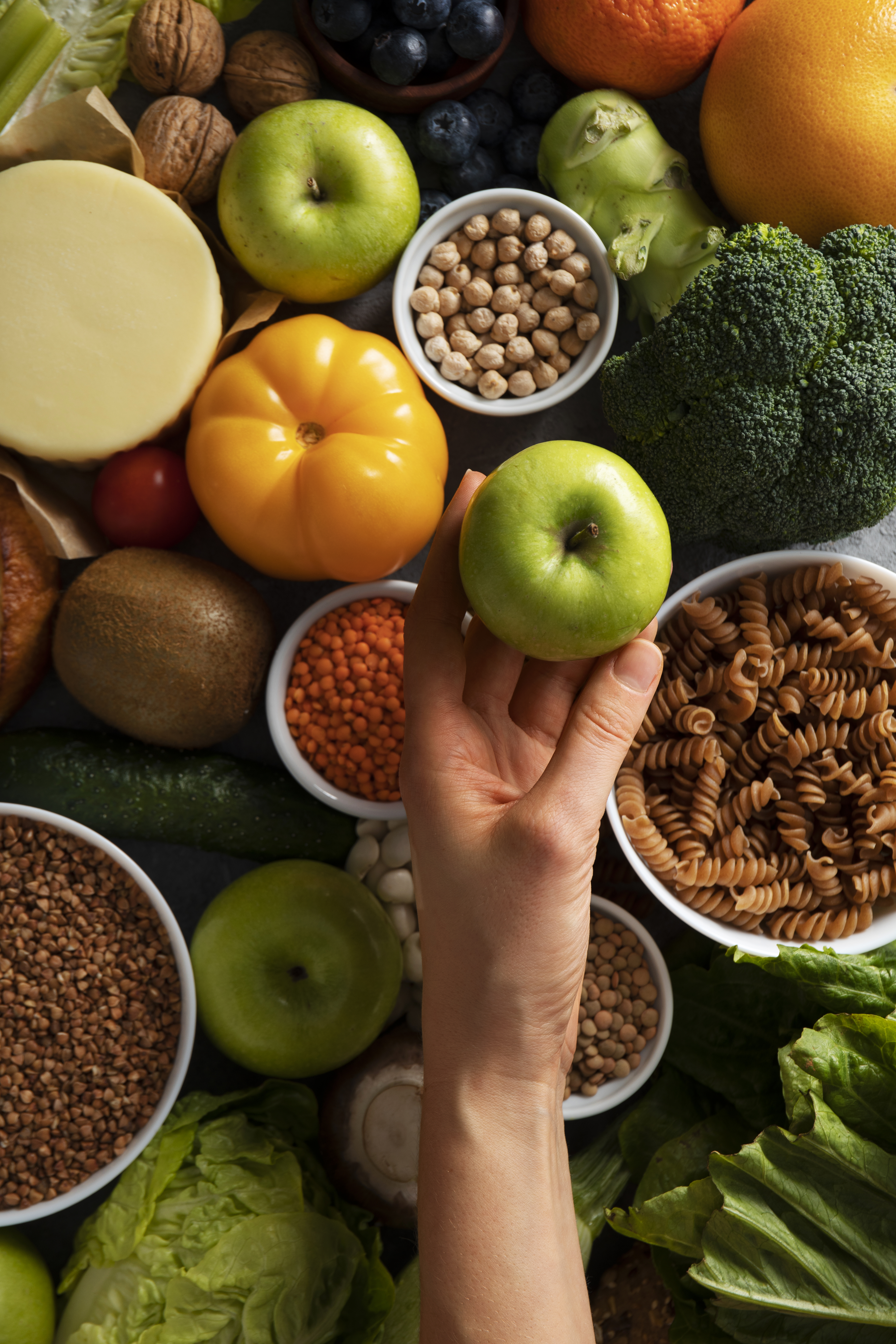
Adolescents, including school-aged children, continue to face poor nutritional status, with serious long-term consequences for health and development. Among adolescents’ girls aged 15 to 19, overweight and obesity are increasingly common, affecting more than 31% in this age group. This nutritional inequality contributes to the rising prevalence of non-communicable diseases (NCDs) such as type 2 diabetes, hypertension, cardiovascular disease, and certain cancers. Young people who are overweight or obese are more likely to remain so into adulthood, placing added pressure on the healthcare system and affecting the country’s social and economic stability.
The country has recently witnessed a rise in foodborne illness outbreaks within school communities, some of which tragically resulted in the loss of learners’ lives while others required hospitalisation. Reports indicate that these incidents were associated with food purchased from spaza shops and street vendors.
More than half of South African adults live with overweight or obesity. About 68% of women and 31% of men fall into these categories. Statistics South Africa reports that deaths from NCDs, including cardiovascular disease, diabetes, cancer, and chronic respiratory illness rose by nearly 59%, from around 103,428 in 1997 to 164,205 in 2018. Within this period, deaths from cardiovascular disease increased by 46.5%, diabetes-related deaths more than doubled, and cancer-related deaths also rose. These figures highlight the growing burden that NCDs place on both the healthcare system and the population.
Undernutrition is linked to poverty, food insecurity, illness and limited access to a variety of nutritious foods, while overnutrition is associated with high consumption of inexpensive, calorie-dense ultra-processed foods, sedentary lifestyles, and aggressive marketing of unhealthy products.
These nutrition challenges are closely tied to socio-economic inequality. Many households struggle with hunger, while others face rising obesity and related health problems. Food insecurity remains a pressing concern, with approximately 23.6% of households experiencing inadequate or severely inadequate access to food in 2021. At the same time, around 10 million tonnes of food are wasted annually, nearly a third of all food produced in the country, further undermining efforts to improve nutrition and reduce hunger.